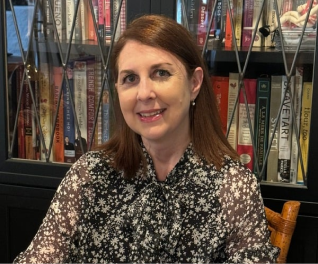


What makes a good coach? Passion, curiosity and drive as well as a growth mindset. I am committed to helping you create your personal goal map, known as a Life Map, which essentially is a road map on how best to achieve your desired short- and long-term goals. You and your coach collaboratively figure out how to make your map a reality.
I’m a problem solver by nature and a deep processor, examining all the components that contribute to the life map you hope to create. When it comes to personal growth and personal development, I deeply research the topic. I am your biggest cheerleader and someone who will be forthright with you and provide compassionate encouragement but will nonetheless, give that firm but sometimes necessary push to help you to step outside of your personal comfort zone. Anything less is a disservice in helping you achieve your goals.
Someone once told me “You will use everything you learn” and no truer advice has ever been given. You never know when a piece of information learned what seemed like eons ago will be the final link towards understanding how to properly interpret certain behaviors that prove to be important in helping you achieve your definition of success.
As someone who was diagnosed late in life as neurodiverse, knowing the ‘why’ may have provided answers to many things that never made sense previously, but it still wasn’t enough to provide an understanding of what’s called the hidden curriculum (social cues and nonverbal prompts that are common currency in many social situations). Sometimes, lack of understanding which behaviors are expected of you, without needing to have them explicitly explained or needing a reminder prompt, like why people expect eye contact as an example, can be a barrier of access for neurodiverse people.
Science has shown that the brain is highly neuroplastic which means it is capable of learning new patterns and responses, so it is possible to learn how to replace ineffective, unhelpful responses (also known as reactive or maladaptive responses like autistic meltdowns or autistic burnout) with more socially acceptable ones, at any age.
The guiding principle of what constitutes good communication is how effective is it towards achieving your desired end goal, whether it be finding meaningful work, creating a harmonious family life, finding your passion, or healing from trauma by setting good boundaries; all those scenarios require clear, easily understood, and relatable communication skills. For some, these are innate skills but for others, they must be learned. For those who see the world through a different lens than the majority, those skills need to be taught differently and that’s where the support of a coach can be beneficial.
A coach is not a therapist but rather someone who helps you recognize your strengths while teaching you how to moderate potential weaknesses creating an environment to build on your successes. This newfound confidence will pay dividends many times over, even when you find yourself in situations that previously caused anxiety. Armed with new, concrete, well-practiced social skills in your toolbox will significantly improve your ability to create the life you want.
Just as a good coach is responsible for keeping the client on track, the client’s responsibility is a willingness to fully commit to the process. A good coach is constantly adjusting as needed to ensure the client is on track to meet their desired goals. The focal point of coaching should always be on personal growth empowering the client to want to try things never thought possible before. To provide the best support for a successful outcome, each plan is customized to the individual, not created from a cookie cutter format.
Seneca, the great Stoic philosopher said, “If you would not have a man flinch when the crisis comes, train him before it comes.”
Ready to get started? Message me to schedule a free 20 minute introduction call to see if I am a fit for your needs. I would be honored to be a part of your team, helping you successfully navigate your Life Map and turning your goals into realities.
Life coaching and all consultancy services provided are not a substitute for therapy or medical advice. Client acknowledges that Coach cannot provide Client with any diagnosis, psychotherapy, or any other form of therapy in any way whatsoever. Life coaching is not a regulated field by local or state agencies. Licensure is not available or required to provide coaching services. Regardless, the Coach strives to hold herself to high ethical standards. Coaching can be a beneficial and healthy adjunct to support neurodiverse adults to help them thrive and reach their full potential.